01 / INDUSTRIAL DUST COLLECTION

Control dust.
At the source.

From occasional workstations to continuous processes, we size capture and filtration according to your dust, your airflows and your production pace.

05filtration ranges
250–19 200m³/h depending on range
02dry / wet processes

01 / THE RIGHT SYSTEM

It all starts
at the point of emission.

Dust captured as close as possible to its source travels through a suitable network, then a filtration system chosen for its type and load. Airflow alone is not enough: the operator's movements, operating time and cleaning method all change the choice of machine.

Have my installation assessed
01Capture hood

As close as possible to the emission, without hindering the workstation.

02Ductwork

Airflow and conveying sized for the pollutant.

03Filtration

Dry or wet depending on the dust.

02 / CHOOSE YOUR RANGE

For every pace,
the right filtration.

Five families covering occasional use, daily cycles, continuous production and dusts that require a wet process.

CONTINUOUS PRODUCTION

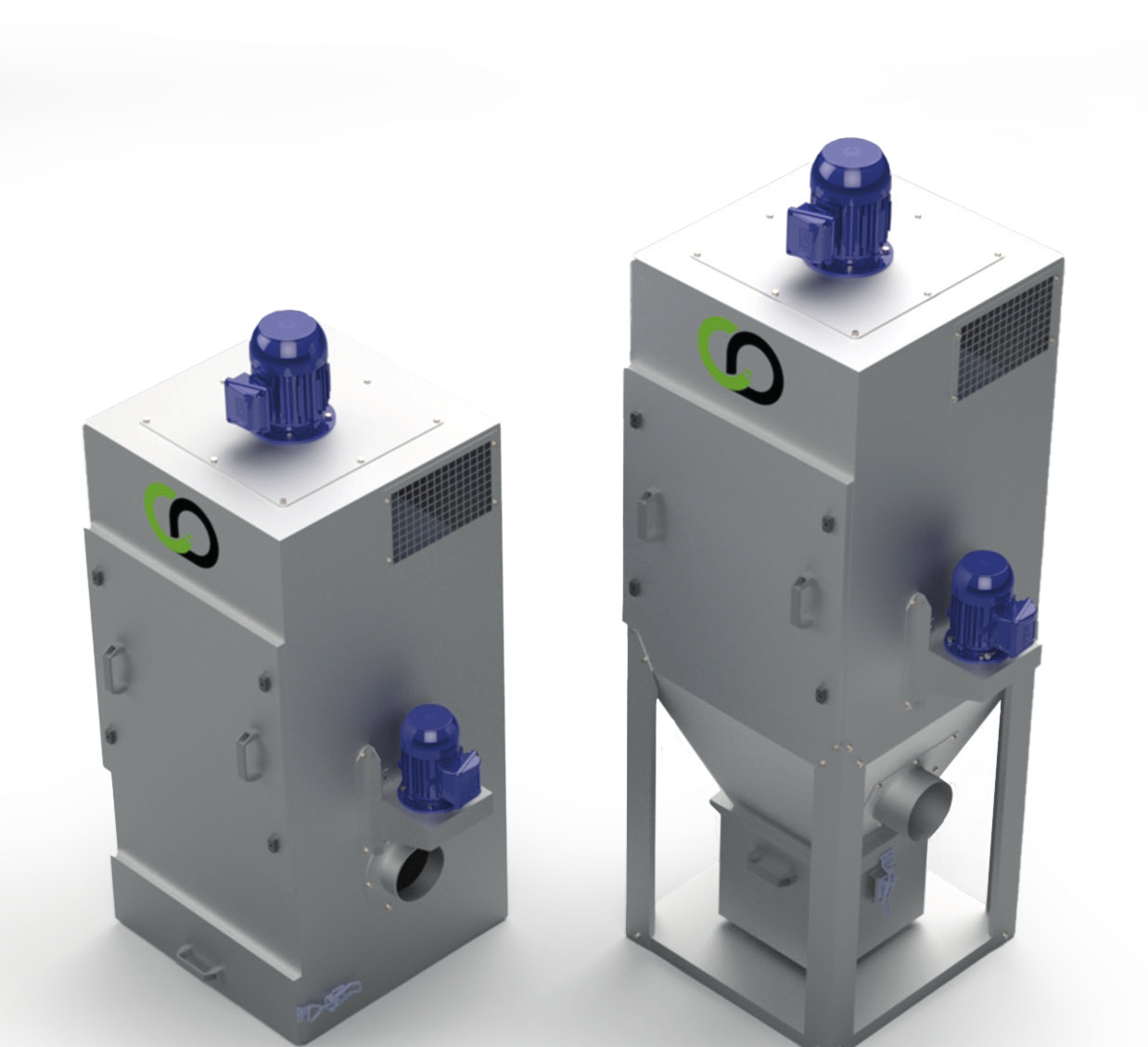
DAS CC

For installations that keep running when the workstation stops. Reverse-pulse pneumatic cleaning keeps the cartridges in service while the process runs.

600 – 19 200m³/h
24/7intended use
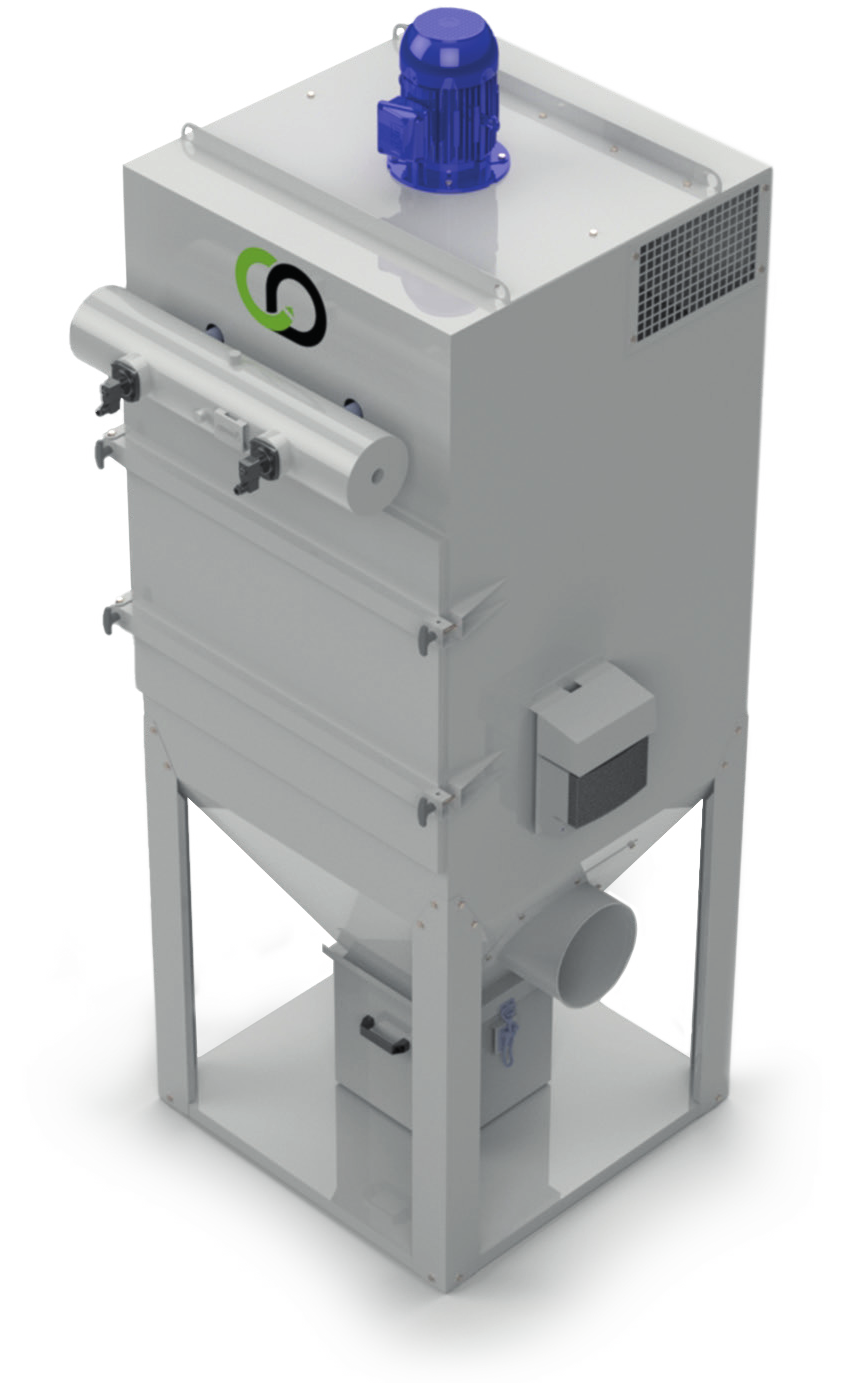
CAPTAIR DAS CC dust collector
01 / 05Low dust load
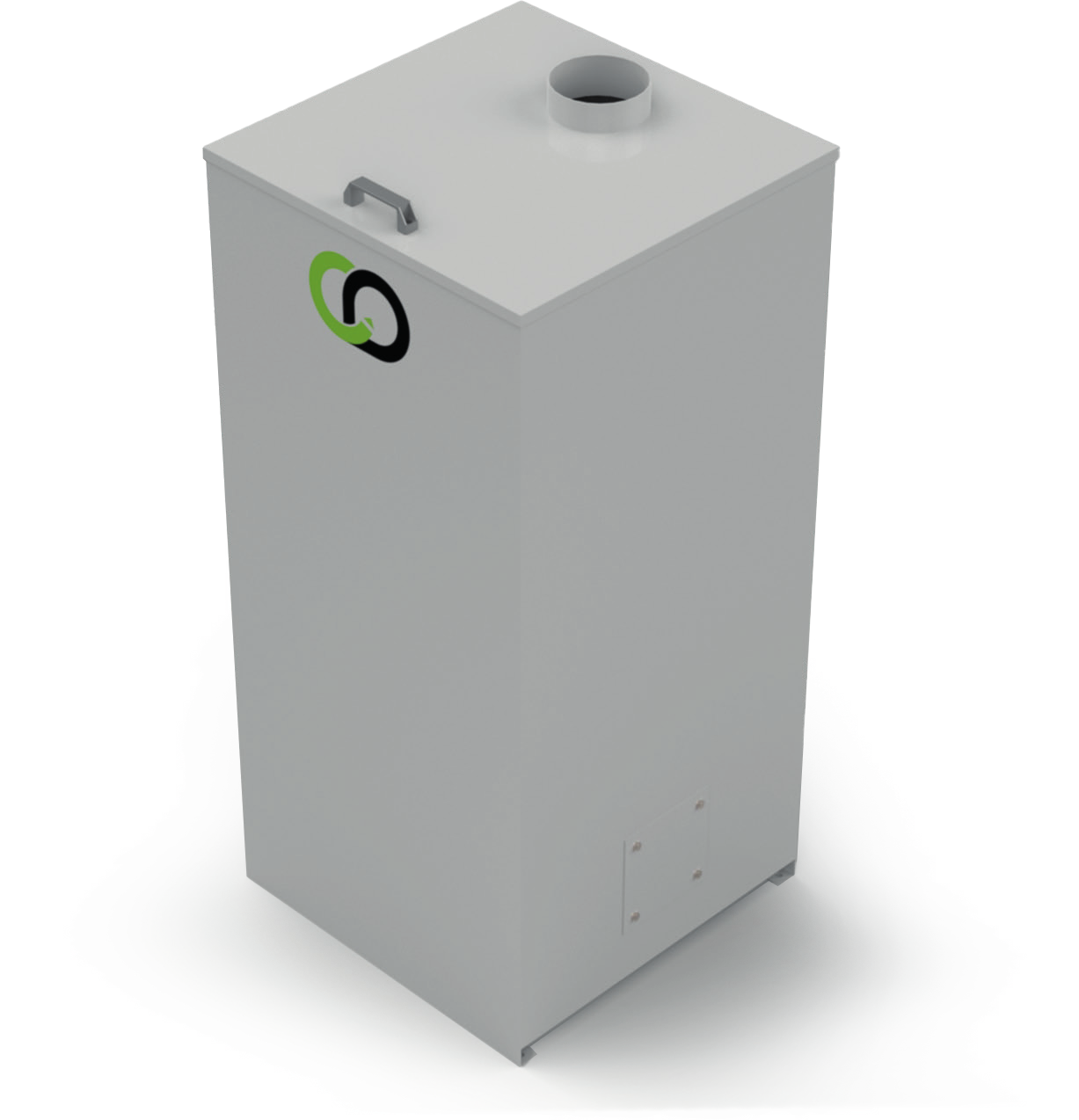
CAPTAIR dust collector Bag-type DA

Bag-type DA

A compact unit for workstations producing small amounts of dust. The filter bag can be removed for maintenance.

250 – 2 000m³/h
See the data sheet
02 / 05Occasional use
CAPTAIR dust collector DA

DA

The answer for intermittent needs: dry dust filtration and manual cleaning of the filter elements.

600 – 5 000m³/h
See the data sheet
03 / 05Daily, non-continuous use
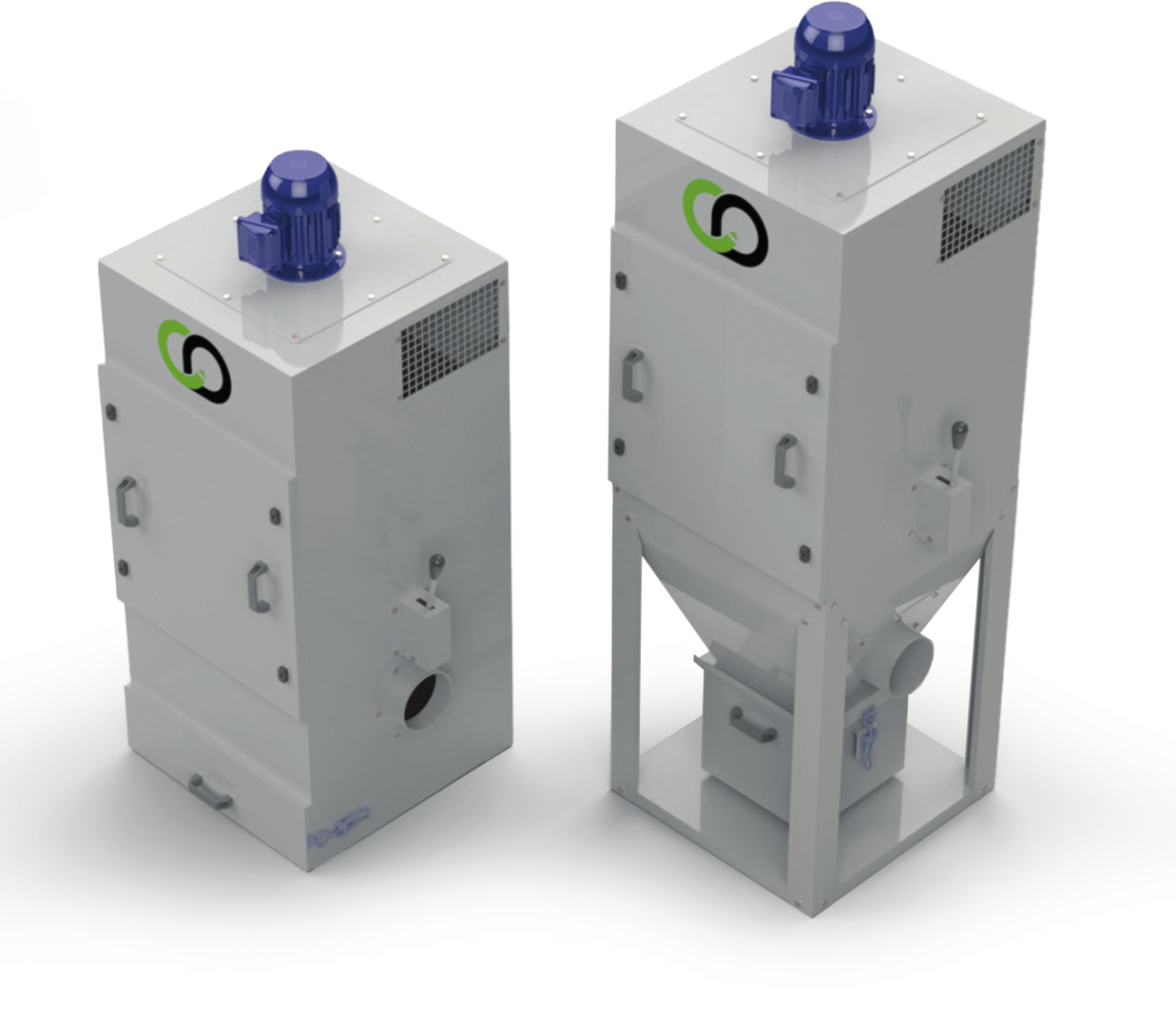
CAPTAIR dust collector DAS

DAS

For repeated production cycles: motorised cleaning cleans the filters at the end of each cycle.

600 – 5 000m³/h
See the data sheet
05 / 05Sensitive or sticky dust
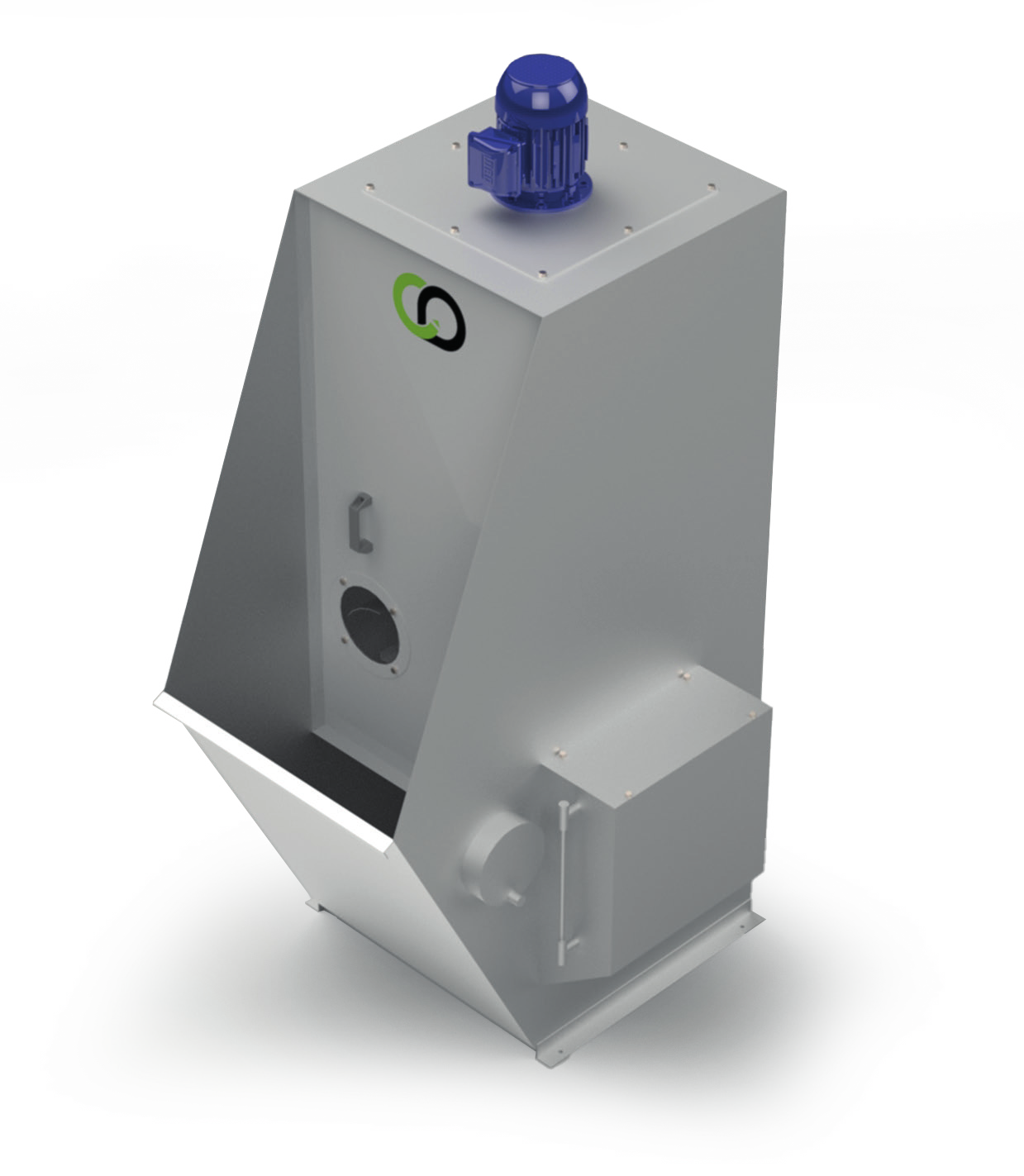
CAPTAIR dust collector HYDRO

HYDRO

A wet process for certain aluminium, magnesium or sticky dusts, once the pollutant and the process have been validated.

600 – 5 000m³/h
See the data sheet

03 / OVERVIEW

The right machine
for the right pace.

A first look at the ranges. The final choice also depends on the pollutant, the capture hood, the network and site constraints.

RangePreferred useCleaning / processStated airflowModels
Bag-type DALow dust loadRemovable bag, no built-in filter cleaning250 – 2 000 m³/h85 · 100 · 125
DAOccasional useManual filter cleaning, fan stopped600 – 5 000 m³/h120 · 150 · 200 · 400
DASDaily, non-continuous useMotorised filter cleaning when stopped600 – 5 000 m³/h120 · 150 · 200 · 250 · 400
DAS CCContinuous process · 24/7Reverse-pulse pneumatic filter cleaning600 – 19 200 m³/h150 · 200 · 250 · 400 · 500 · 800 · 1000
HYDROSensitive or sticky dustWet capture and filtration600 – 5 000 m³/h150 · 200 · 250 · 500

Ranges taken from the CAPTAIR data sheets supplied. Values are indicative and depend on the model and configuration. ATEX variants, 304/316 L stainless steel and PTFE or antistatic media are mentioned in some brochures: their relevance is validated case by case.

04 / SPECIAL CASES

Sensitive dust?
Let's study the process.

Aluminium and magnesium dust and some sticky materials need special attention. The HYDRO range uses a wet process; choosing it, like any ATEX provision, depends on the risk assessment and actual production conditions.

See the HYDRO data sheet

CAPTAIR & DIMAVENT / ENGINEERING OFFICE

Tell us about the dust.
We will study the solution.

Type of material, workstation to capture, pace, layout constraints: a few details are enough to start the right technical discussion.