Dust
Grinding, sanding, cutting, wood
- Backboards
- Downdraft tables
- Pouyès rings

05 / CUSTOM CAPTURE
Backboards, downdraft tables and booths, hoods, articulated arms, Pouyès rings and machine capture devices: our engineering office designs the capture hood suited to your workstation, your pollutant and the operator's movements.
The pollutant captured before it spreads
Each capture hood designed for the workstation
Installations designed to INRS and CARSAT guidelines
Without hindering the work or production
WHY CAPTURE AT SOURCE
A pollutant captured before it spreads protects the operator and the whole workshop. The closer the hood is to the emission, the lower the airflow needed, and with it the size and cost of the entire installation.
Have my workstation assessedOUR CAPTURE DEVICES
Standard when it's enough, bespoke when it's needed: the capture geometry follows the process, never the other way round.
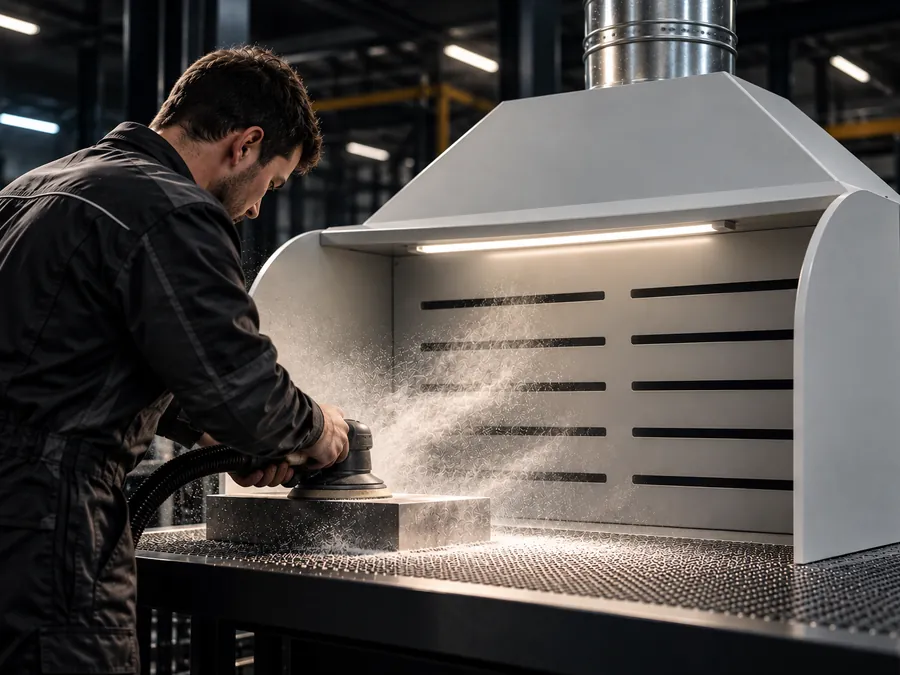
Extraction wall at the back of the workstation for grinding, sanding or deburring, with worktop and lighting.
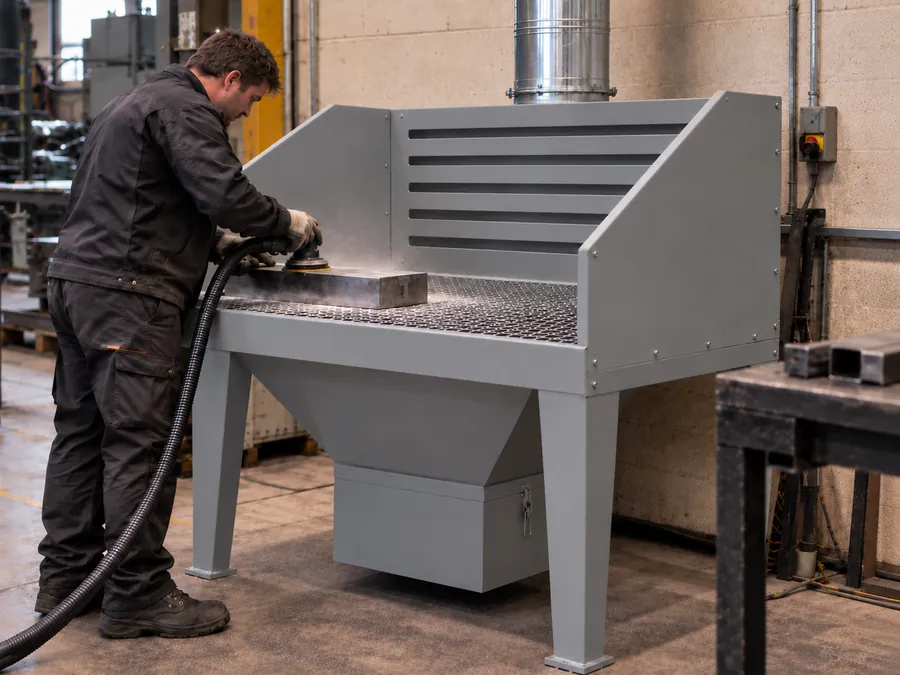
Perforated worktop that draws down the dust and fumes produced on the part.
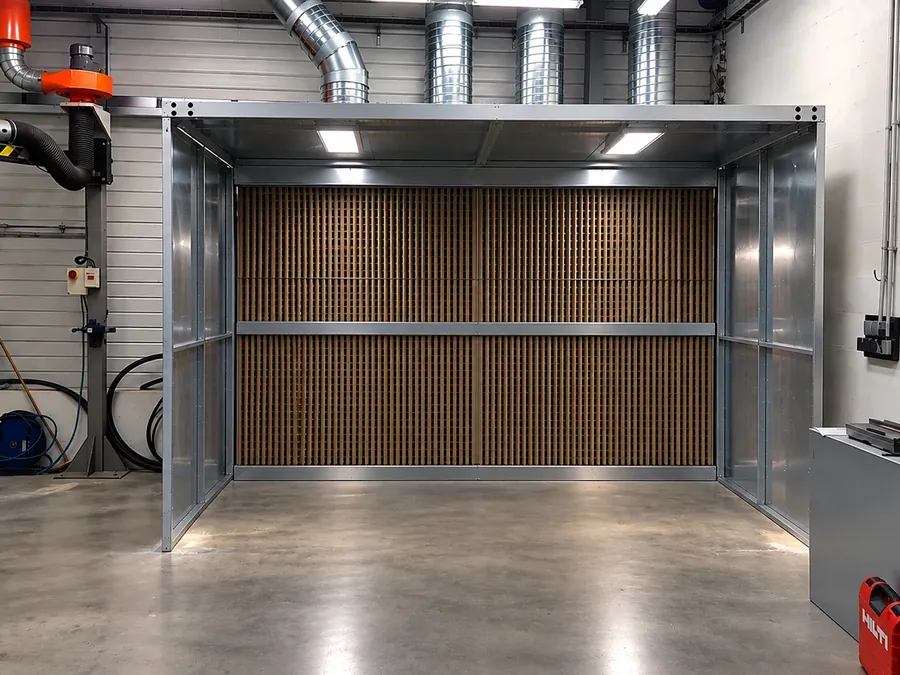
For large parts, painting or solvents: filtering wall and controlled airflow.
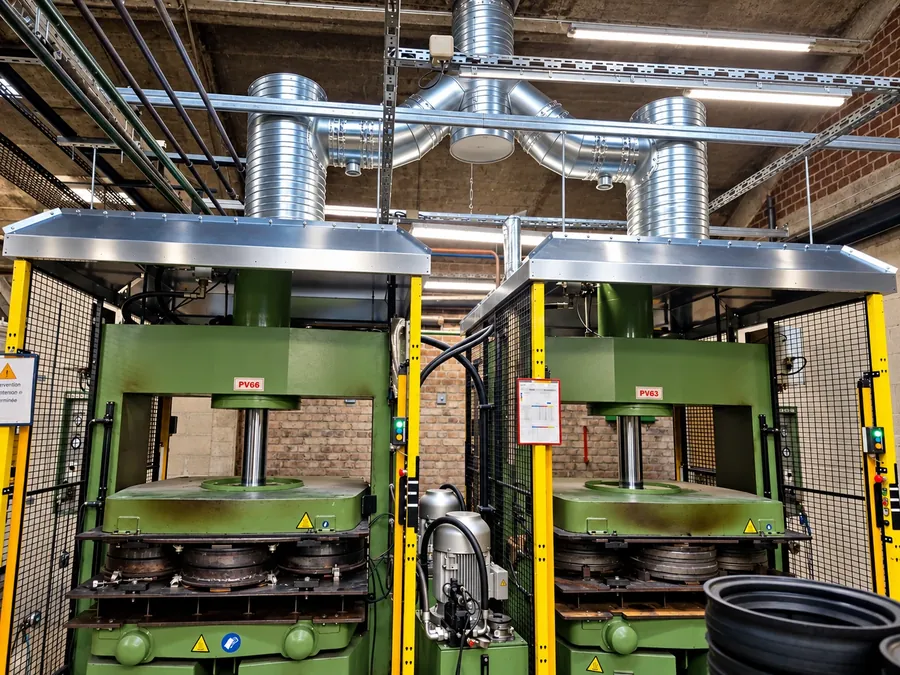
Hoods sized above presses, furnaces and baths to capture fumes and hot vapours.
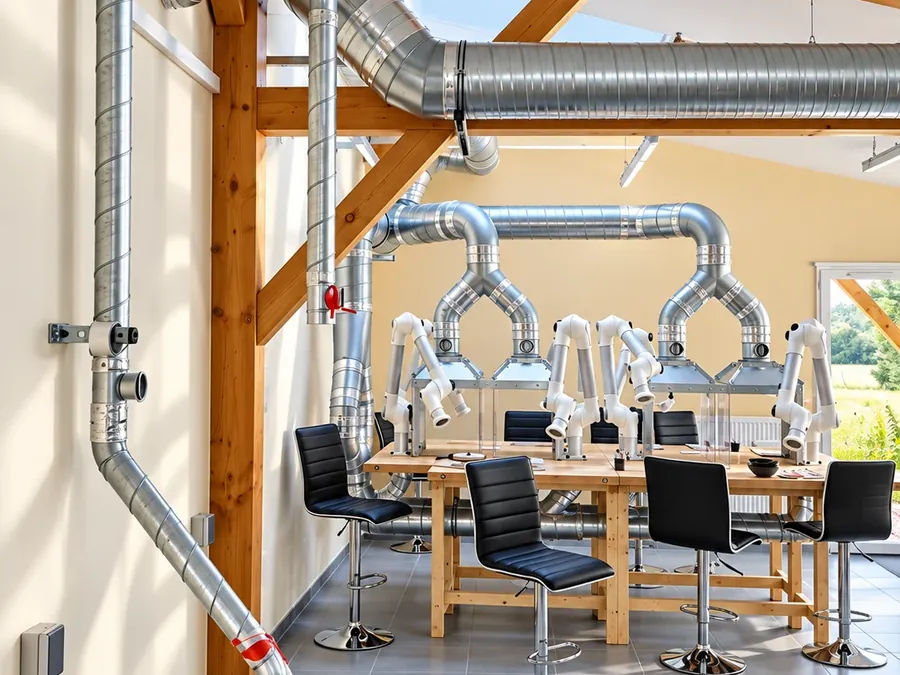
Swivelling arms brought as close as possible to the source, then repositioned for each part.
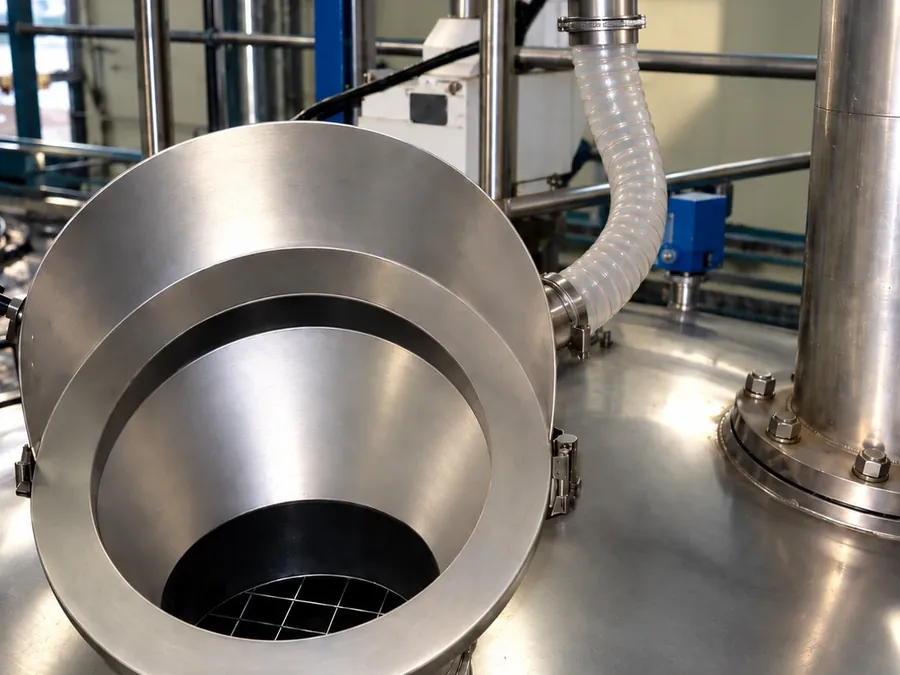
Peripheral capture around tank openings to reduce the ventilation airflow required.
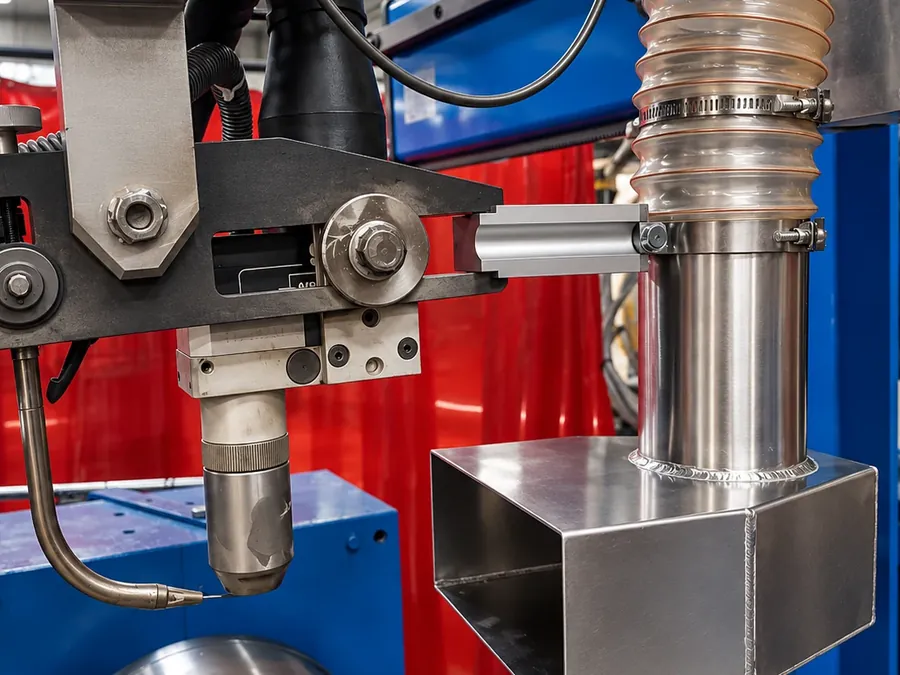
Covers, nozzles, enclosures and devices designed around your machine or the actual emission zone.
Send a photo or drawing of the machine: our engineering office will propose the right capture solution.
Send my requirementOUR METHOD
The product isn't the starting point. The emission source is.
Type of pollutant, emission point, operator movements and pace.
Shape, distance from the source and airflow direction: this is where it all happens.
Capture airflow, velocities, pressure losses, then choice of fan and filtration.
Manufacture, installation, balancing and commissioning of the system.
Grinding, sanding, cutting, wood
Welding, thermal operations
Machine tools, presses, processes
Application, solvents, vapours
CAPTAIR & DIMAVENT / ENGINEERING OFFICE
Type of pollutant, machine or task to capture, pace and layout constraints: a few details and a photo are enough to start the study.